How to Start a Journal You'll Actually Keep, with 30 Prompts for Plain Pages
By Lafz. 3 November 2026, 5 min read.
Most journals die in the second week. The first few entries are long and hopeful, then a busy day turns into a busy week, and the diary moves to a drawer. It is not a lack of discipline. Usually the journal was asked to be too much: a planner, a gratitude log, a work notebook and a place for feelings, all at once.
Here is a gentler way to start, and 30 prompts for the days the page stays blank.
Why plain pages help
Ruled lines quietly tell you what to do: write in rows, start at the top, keep it neat. A plain, unruled page lets an entry be whatever it needs to be on the day. That might be three lines, a list, a sketch of a window, a ticket stub taped down, or one line of poetry written large in the middle of the page.
That freedom matters more than it sounds. When a journal can hold anything, there is no wrong way to fill it, and a journal you cannot get wrong is one you will keep returning to.
Five habits that keep a journal going
- Write small. Promise yourself five minutes or five lines, not a page. On a good day you will write more. On a bad day five lines still counts.
- Tie it to something you already do. With the first chai of the morning, on the metro home, or just before you put your phone away at night. A habit attached to an old habit is easier to keep.
- Date every entry. It takes two seconds, and a year from now the dates are what make the diary feel like a life rather than a pile of notes.
- Don't reread for a month. Rereading too soon makes you edit yourself. After a month, old entries stop feeling embarrassing and start feeling interesting.
- Let it be ugly. Crossings-out, spelling mistakes and bad handwriting are part of the record. A journal is not for an audience.
Keep a commonplace book inside it
For centuries, readers kept commonplace books: notebooks of passages they wanted to remember, copied by hand from books, sermons and letters. It is one of the oldest forms of journaling, and one of the easiest to keep.
Give the last pages of your diary to lines that stay with you: a sher you heard at a mehfil, a sentence from a novel, a line of dialogue from a film, a lyric you could not stop humming. Write where each one came from. Over time those pages become a portrait of what moved you, often more honest than the diary entries themselves.
30 journal prompts for plain pages
Memory
- Describe your childhood home by walking through it room by room.
- Write about a smell that takes you straight back somewhere.
- What did your grandparents always say? Write their phrases exactly as they said them.
- Describe the first film you remember watching in a theatre.
- Write a letter to yourself at fifteen. What would you warn them about, and what would you leave alone?
- Draw a map of a neighbourhood you used to live in, from memory.
- Write about a friendship that ended without anyone deciding it should.
Poetry and words
- Copy out a couplet you love and write, in your own words, what it means to you today.
- Write down a word in your mother tongue that has no good English translation, and explain it.
- Pick one line of poetry and write the story you imagine behind it.
- Write a four-line poem about your morning. Don't make it rhyme.
- List ten words you love the sound of.
- Which poet would you want to have chai with, and what would you ask them?
- Write about a time a song lyric said exactly what you could not.
Films and music
- Which film character do you secretly think you are? Be honest.
- Write about a scene you have rewatched more than ten times, and why.
- Make a soundtrack for the last year of your life: five songs, and why each one is there.
- Write the opening scene of a film about your family.
- Which film ending would you rewrite, and how?
- Describe a concert, qawwali night or song you heard live that you still think about.
Everyday life
- What did you notice today that nobody else probably did?
- Write down three small things that went right this week.
- Describe your current desk or bag in detail. What does it say about you right now?
- What are you avoiding? Write about it for five minutes without stopping.
- Write about a stranger you saw today and invent their day.
- What would a perfect ordinary Sunday look like?
- List what you want to learn before the end of this year.
- Write about a place you go to be alone.
- What did you believe a year ago that you don't believe now?
- Write the date, and one sentence about today that you want to remember in ten years.
Choosing a diary for journaling
Choose a size you will actually carry. A5 (14.8 by 21 cm) is the most practical: big enough to write freely, small enough for a tote or backpack. A spiral binding lies flat and folds back on itself, which helps when you write on your knee or in a moving train. Plain pages give you the freedom described above, and a cover you love makes you reach for the diary more often. That last part is not vanity, it is how habits work.
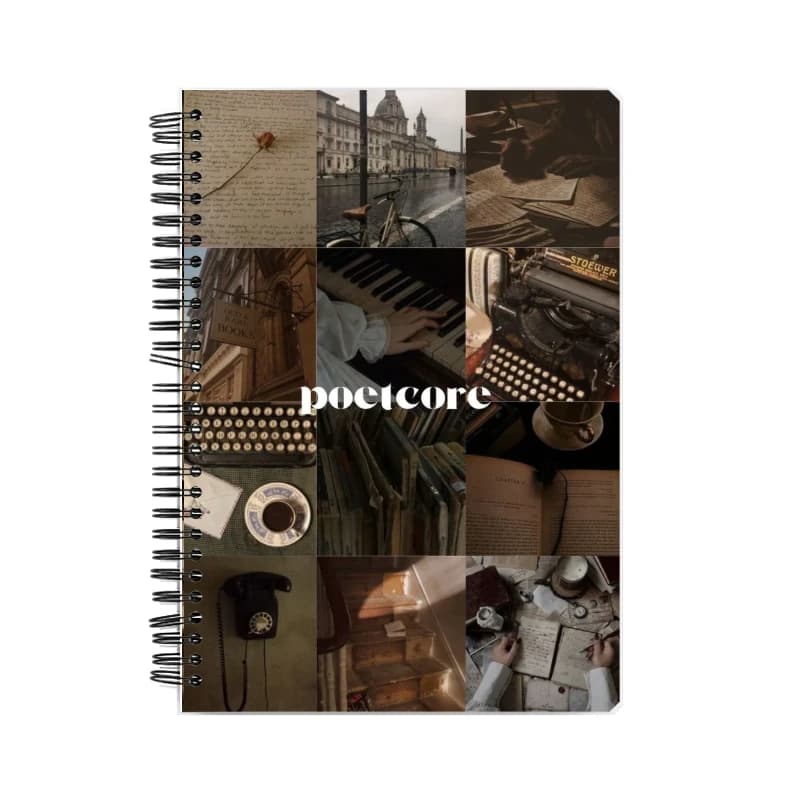
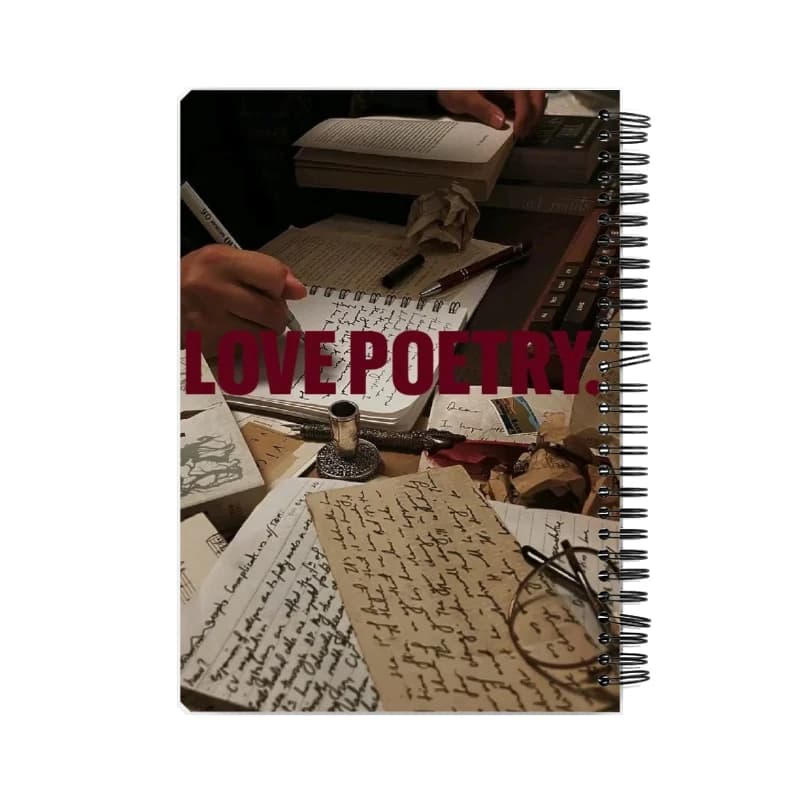
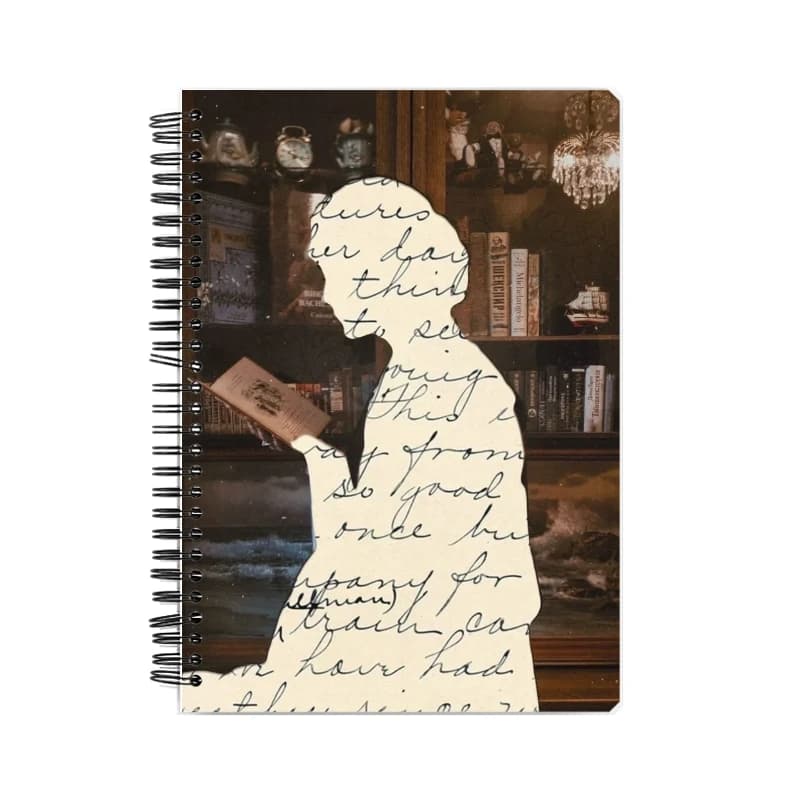
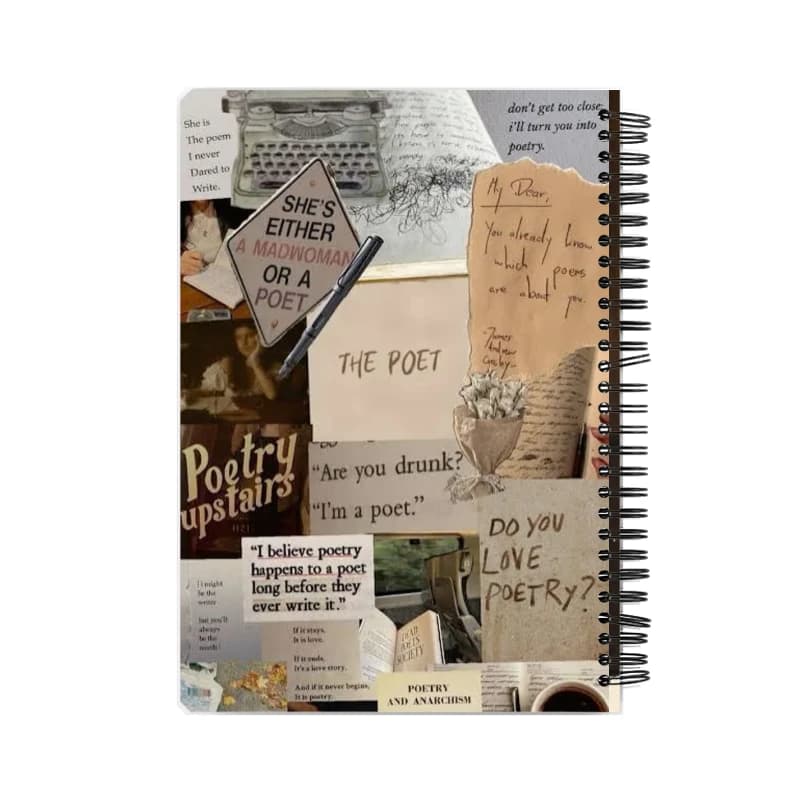
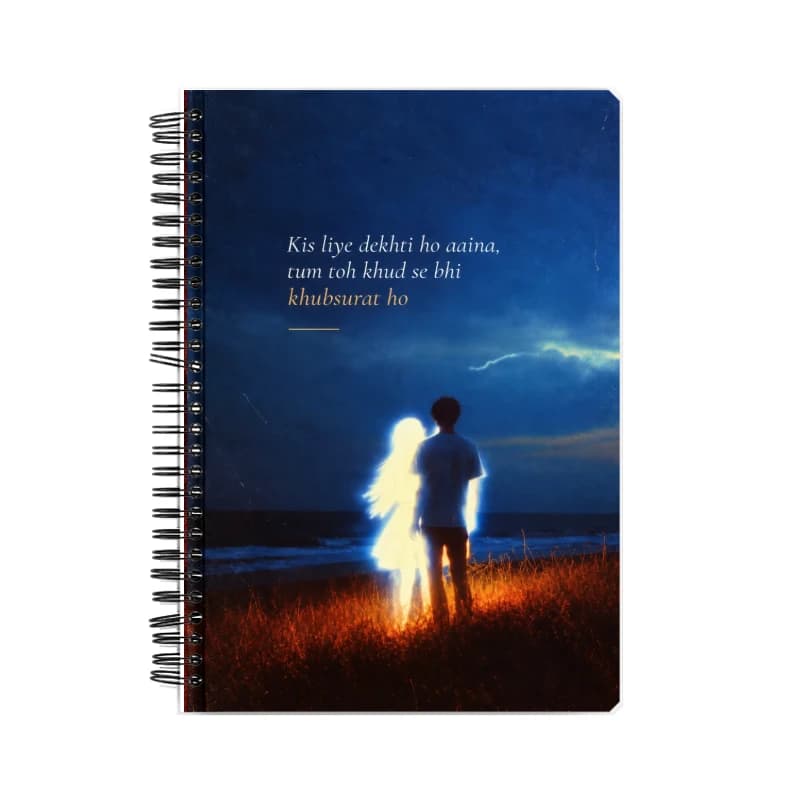
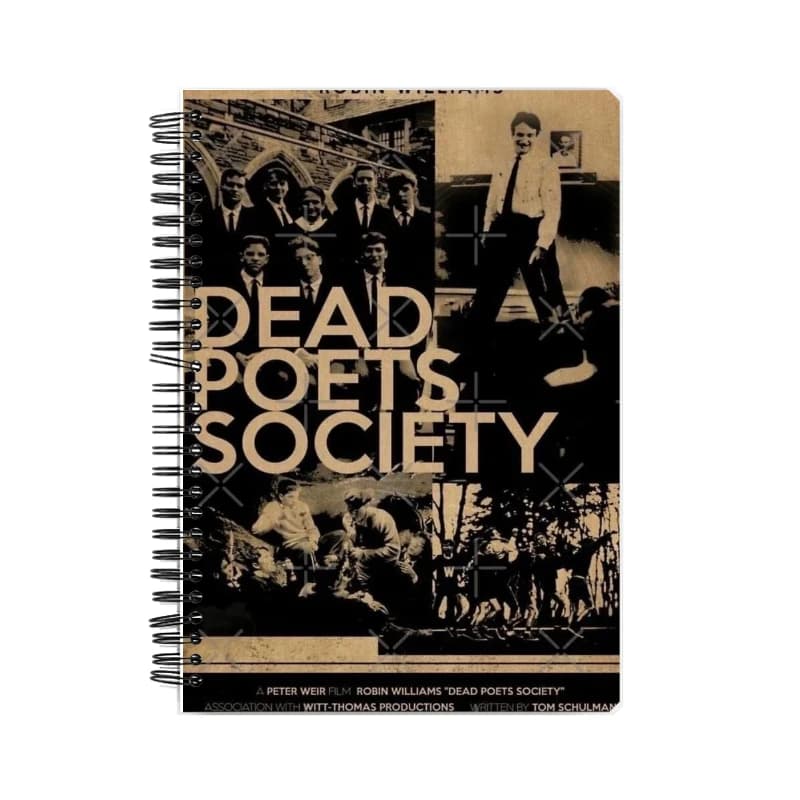
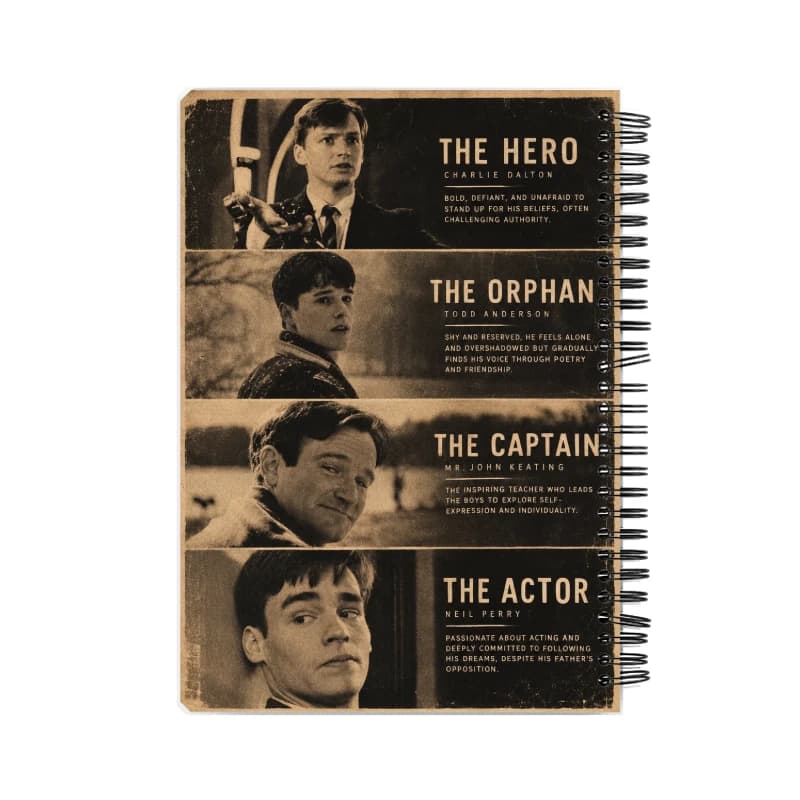
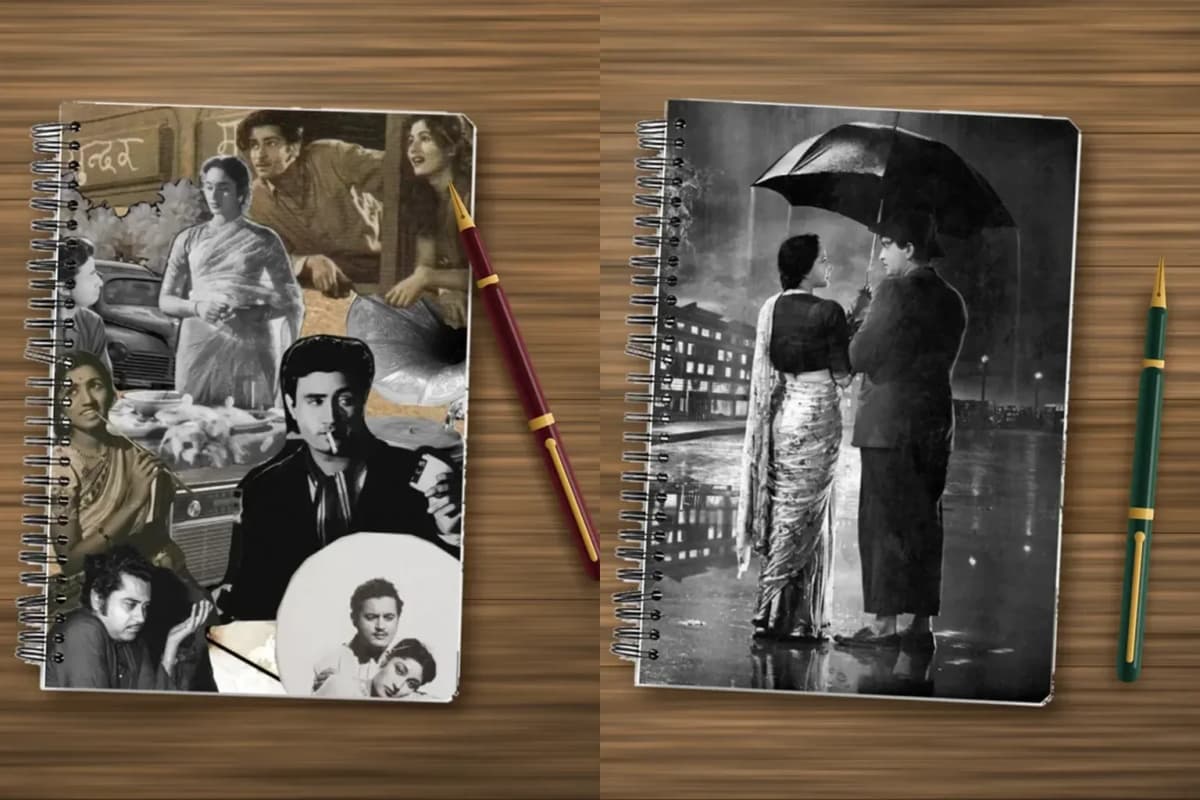
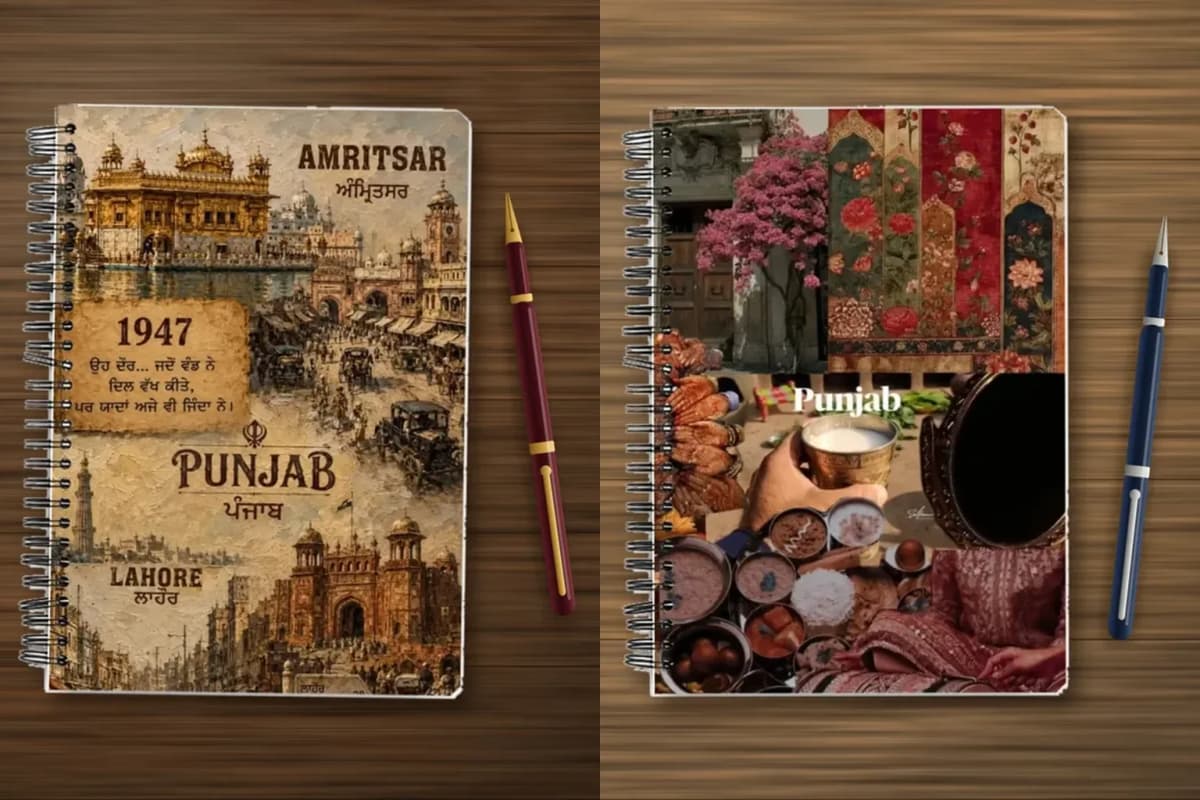
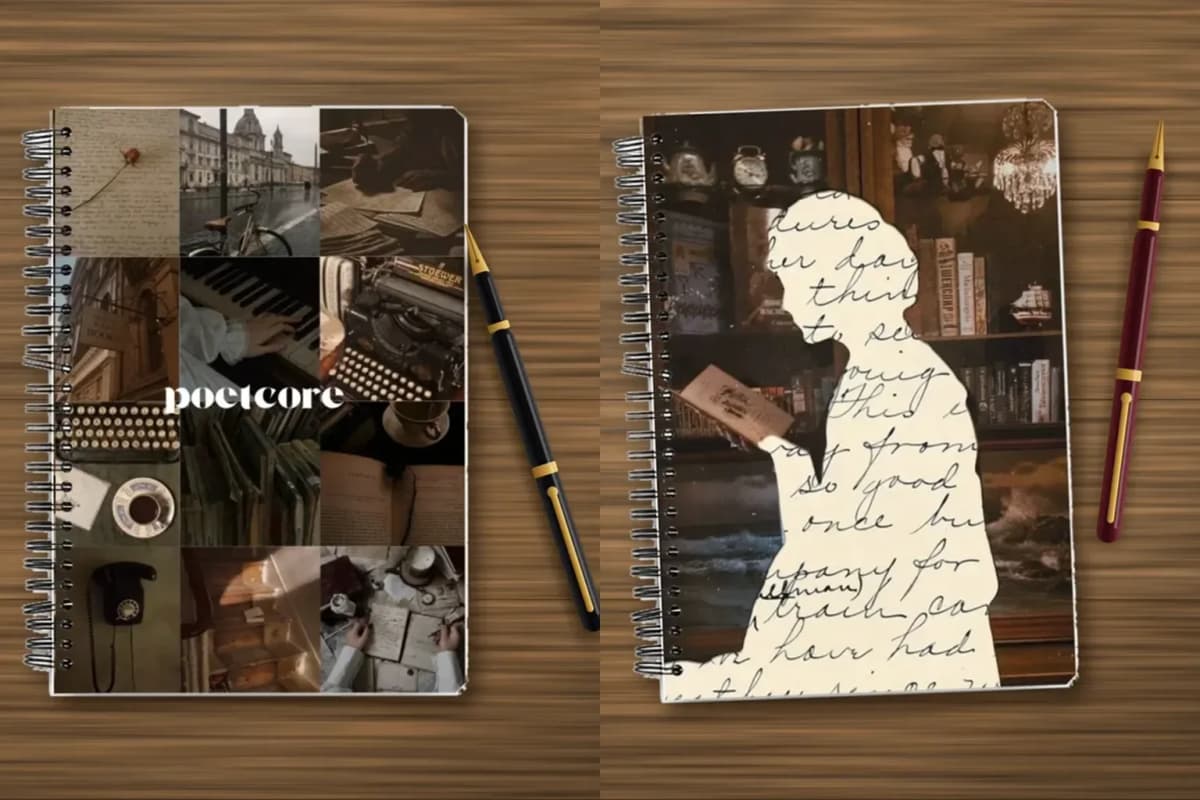
Lafz diaries are A5, spiral-bound, with 150 plain pages of 70 GSM paper, and covers drawn from the poets, films and music people actually love.
Common questions
How do I start journaling if I don't know what to write?
Start with five lines about today, or pick one prompt from the list above. The point is not to write well. It is to write regularly, and the ideas come once the habit exists.
Is a ruled or plain journal better?
Plain pages are better for mixed journaling: writing, lists, sketches and pasted keepsakes. Ruled pages suit people who only want to write long-form text in neat rows.
How long should a journal entry be?
As long as it needs to be. Five lines a day kept up for a year is worth more than five pages written once.
What is a commonplace book?
A notebook of quotations, lines and passages you want to remember, copied by hand with a note on where each came from. Many readers keep one in the back pages of their diary.