Punjabi Poetry for Beginners: Five Poets to Start With
By Lafz. 3 November 2026, 5 min read.
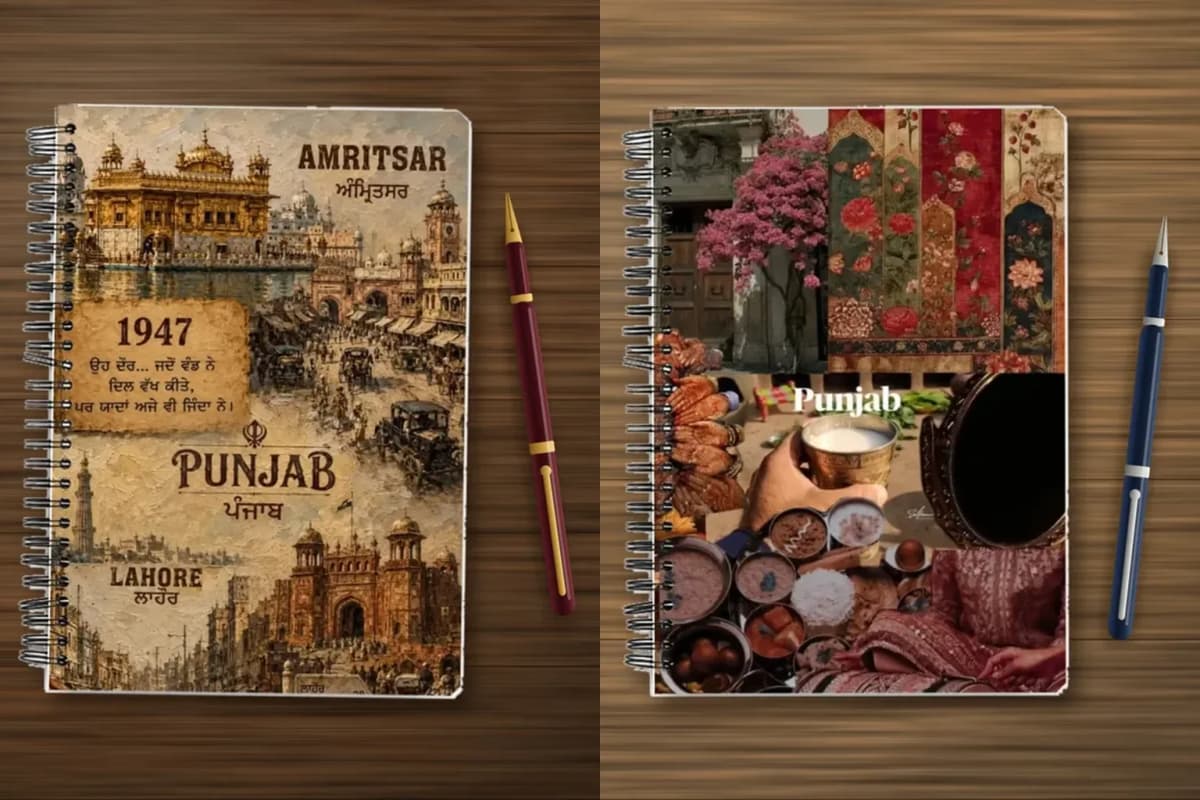
Punjabi poetry is older than the border that now runs through Punjab, and it still belongs to both sides of it. It was sung at shrines and weddings long before it was printed, which is why so much of it reaches people first as a song: a qawwali heard in childhood, a folk singer on the radio, a line a grandparent half-remembers.
If you want to read it rather than only hear it, these five poets are a good way in. Between them they cover three centuries, from Sufi devotion to the grief of Partition to modern Punjab.
1. Bulleh Shah: the Sufi who asked who he was
Bulleh Shah (1680 to 1757) wrote kafis, short devotional poems meant to be sung, and he is buried in Kasur, in present-day Pakistan. His poems mock empty ritual and look for God in love and in the self rather than in rules. That made him unpopular with the religious authorities of his time and loved by almost everyone else since.
Start with Bulleya ki jaana main kaun, a poem built on one question: who am I, if I am not my religion, my caste or my name? Many people know it from Rabbi Shergill's 2004 song Bulla Ki Jaana, but it has been sung for three hundred years. Qawwals, including Nusrat Fateh Ali Khan, have sung Bulleh Shah's kafis for generations.
Read it if you love qawwali, or you want poetry that feels like a conversation with yourself.
2. Waris Shah: the poet of Heer
Waris Shah (1722 to 1798) wrote Heer, his telling of the love story of Heer and Ranjha, completed in 1766. The story was older than him, but his version became the one Punjab sings. It is long, funny, earthy and full of village life: cattle, weddings, scheming relatives and a love that ends in tragedy.
Few people read Heer from start to finish in one go. A better way is to listen to a few sung passages first, then read the same verses with a translation beside them.
Read it if you like epic love stories, or you want to understand why "Heer" is still a name for the beloved in Punjabi songs.
3. Amrita Pritam: the voice of Partition
Amrita Pritam (1919 to 2005) was the first woman to receive the Sahitya Akademi Award, in 1956, and she later received the Jnanpith Award as well. She wrote poetry, novels and an autobiography, Rasidi Ticket (The Revenue Stamp).
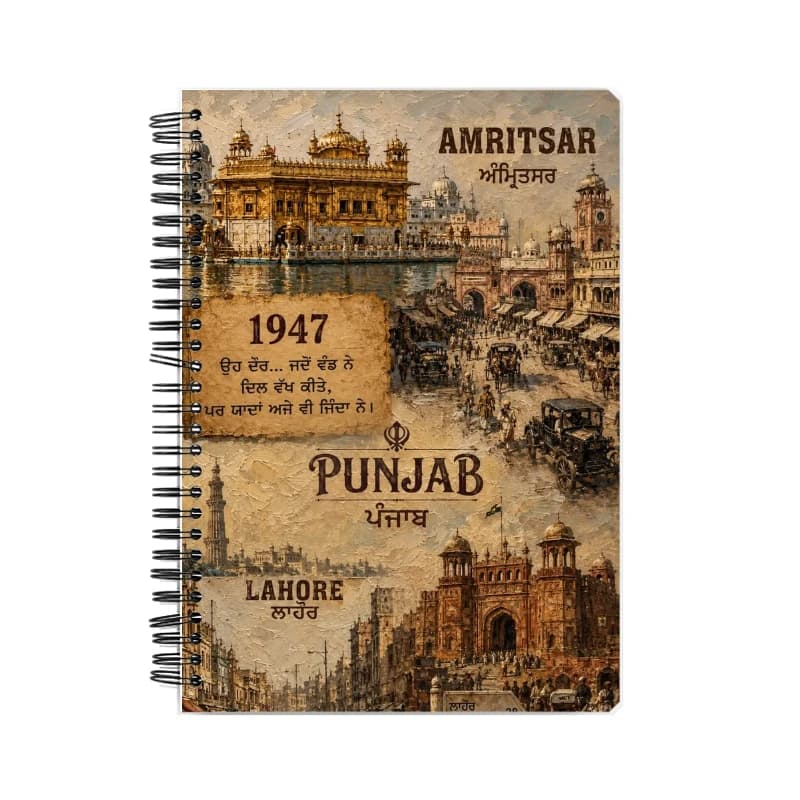
Her most famous poem, Ajj aakhaan Waris Shah nu, was written after the violence of 1947. In it she calls on Waris Shah, the poet who once wept for one daughter of Punjab, to rise from his grave and see the countless daughters weeping now. It is one of the most powerful poems written about Partition in any language, and reading it with Waris Shah in mind makes it even sharper.
Read it if your family carries stories of 1947, or you want poetry that is brave about history.
4. Shiv Kumar Batalvi: the sultan of separation
Shiv Kumar Batalvi (1936 to 1973) became, in 1967, the youngest writer ever to receive the Sahitya Akademi Award, for Loona. It is a verse play that retells the old legend of Puran Bhagat from the point of view of Loona, the young woman the story had always treated as its villain. Batalvi gave her a voice and a reason.
He is often called Birha da Sultan, the sultan of the pain of separation, because so much of his poetry is about longing, illness and loss. He died at 36, and his poems are still sung everywhere. Jagjit and Chitra Singh recorded his poems, and Ik Kudi Jida Naam Mohabbat reached a new generation through the 2016 film Udta Punjab.
Read it if you love sad songs and want to know where their feeling comes from.
5. Surjit Patar: modern Punjab in verse
Surjit Patar (1945 to 2024) is one of the most loved Punjabi poets of recent decades. He received the Sahitya Akademi Award in 1993 for Hanere Vich Sulagdi Varnamala, and the Padma Shri in 2012. His poems are quieter than Batalvi's and often political in a gentle way, about language, home and the people a changing Punjab leaves behind.
Start with his collection Hawa Vich Likhe Harf (Letters Written in the Air).
Read it if you want poetry that speaks to Punjab as it is now, not only as it was.
How to read Punjabi poetry if you do not read Gurmukhi or Shahmukhi
Punjabi is written in two scripts: Gurmukhi in India and Shahmukhi, which is close to the Urdu script, in Pakistan. If you read neither, you can still begin:
- Listen first. Almost every poem above has been sung. A melody carries the meaning further than a translation can at first.
- Use a parallel edition. Look for books that print the original, a transliteration and an English or Hindi translation side by side.
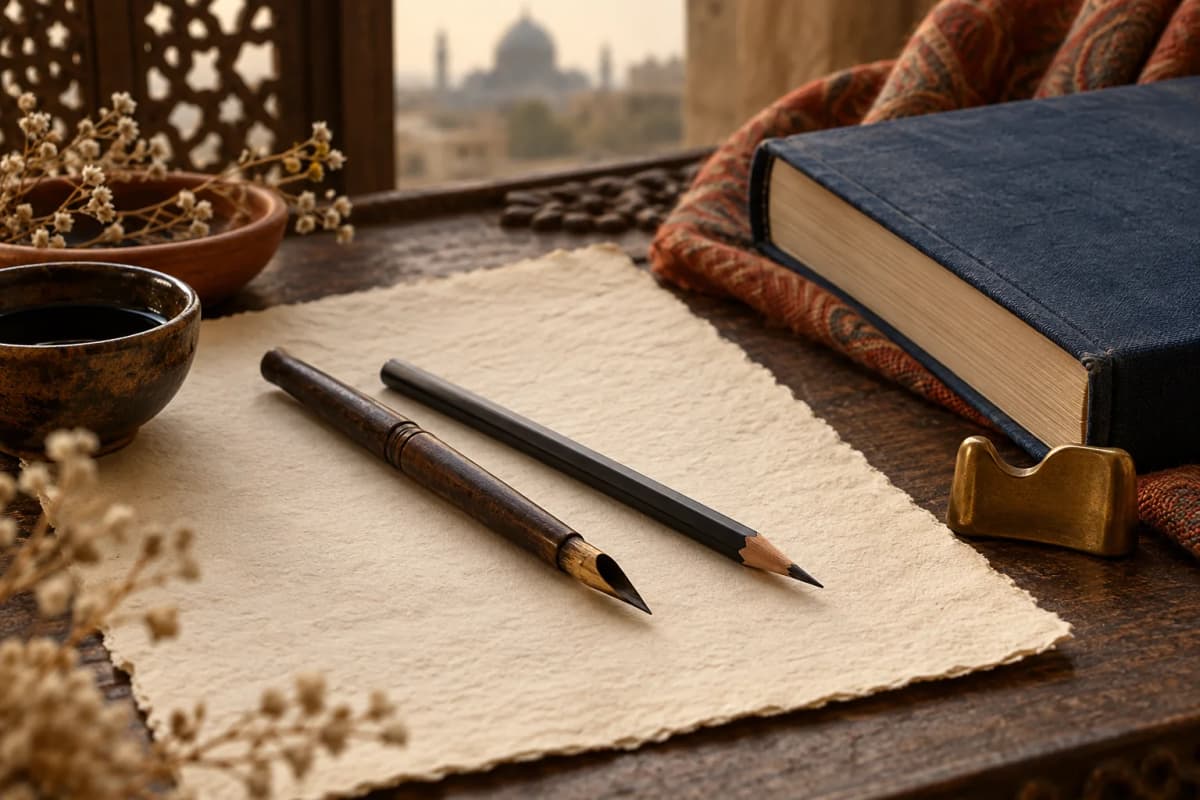
- Copy lines by hand. Writing a line out slowly, in any script you know, is one of the best ways to understand it. Many readers keep a diary just for the lines that stay with them.
If you already read Urdu poetry, our guide to Urdu and Roman Urdu explains how transliteration works, and the same ideas apply to Shahmukhi.
Common questions
Who is the most famous Punjabi poet?
It depends on the century. Waris Shah and Bulleh Shah are the classical giants, sung across both Punjabs. Of modern poets, Shiv Kumar Batalvi and Amrita Pritam are the most widely known.
Is Punjabi poetry the same in India and Pakistan?
The poetry is shared, and the classical poets belong to both sides. The scripts differ: Gurmukhi is used in Indian Punjab and Shahmukhi in Pakistani Punjab.
Where should a beginner start?
Start by listening. Find a sung version of a Bulleh Shah kafi or a Shiv Kumar Batalvi poem, then read the words with a translation. After that, try Amrita Pritam's poem to Waris Shah.
Can I read Punjabi poetry in English?
Yes. All five poets have been translated into English, and parallel editions that print the original beside the translation are the most rewarding way to read them.